
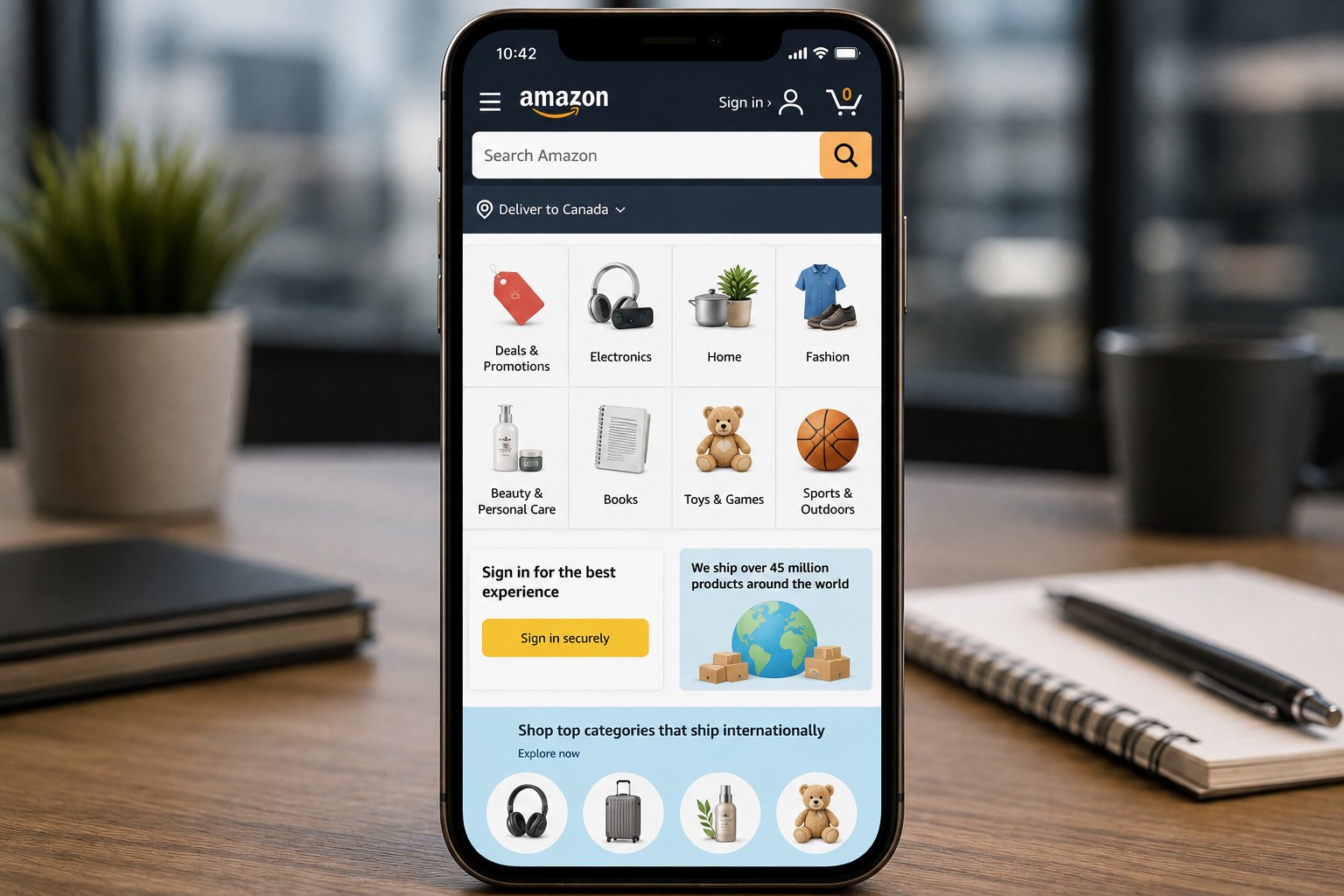
Why Amazon Keyword Indexing Matters in 2026
Amazon keyword indexing is an essential part of improving product visibility and reaching potential customers.
However, successful Amazon SEO requires more than adding keywords to product listings. Sellers must understand search intent, product relevance, and customer behavior.
In 2026, a strong keyword strategy should focus on helping shoppers discover products that match their needs.
Therefore, brands should combine keyword research, listing optimization, and performance analysis.
By following this approach, sellers can improve product discoverability and identify opportunities for sustainable sales growth.
1. Understanding How Amazon Keyword Indexing Works
Amazon keyword indexing refers to the association between product listings and relevant customer search terms.
When a product is indexed for a keyword, it may become eligible to appear in search results for that term.
However, indexing does not guarantee high rankings or increased sales.
Amazon search visibility can depend on several factors, including product relevance, availability, pricing, and customer experience.
Indexing vs. Ranking: What’s the Difference?
Keyword Indexing: Determines whether a product is associated with a particular search term.
Keyword Ranking: Describes where a product appears in search results for a specific query.
For example, a product may be indexed for a keyword but appear far down in search results.
Therefore, sellers should evaluate both indexing and ranking performance.
2. Conduct Smarter Amazon Keyword Research
Effective Amazon keyword indexing begins with understanding how customers search for products.
Instead of targeting every possible keyword, sellers should prioritize relevant terms.
Identify High-Relevance Keywords
Start by researching keywords that accurately describe your products.
Consider:
- Primary product keywords
- Product features and benefits
- Category-specific search terms
- Relevant product attributes
- Customer search intent
- Long-tail keyword opportunities
Additionally, review available search term performance data to identify useful patterns.
This helps sellers focus on keywords that align with actual customer demand.
3. Use Long-Tail Keywords to Reach Relevant Shoppers
Long-tail keywords are specific search phrases that describe customer needs in greater detail.
For example, a broad keyword such as “winter tires” may attract a wide audience.
However, a more specific phrase such as “winter tires for compact SUVs” may better reflect a shopper’s requirements.
Benefits of Long-Tail Keywords
- More specific search intent
- Better alignment with product features
- Opportunities to reach niche audiences
- More relevant product discovery
- Potentially stronger conversion opportunities
Therefore, long-tail keywords can complement broader keyword strategies.
4. Optimize Amazon Product Listings for Search Visibility
Product listing optimization plays an important role in Amazon SEO.
Sellers should use relevant keywords naturally while maintaining clear and accurate content.
Product Titles
Include the primary keyword when it accurately describes the product.
Additionally, follow Amazon’s current category-specific title requirements.
Bullet Points
Highlight important product features, benefits, and specifications.
Use relevant terminology naturally without repeating keywords unnecessarily.
Product Descriptions
Provide useful information that helps customers understand the product.
Furthermore, ensure descriptions remain consistent with product specifications.
Backend Search Terms
Backend search terms can provide additional relevant keywords that are not already covered in visible listing content.
However, sellers should follow Amazon’s current search term guidelines and avoid prohibited or irrelevant terms.
5. Analyze Keyword Performance and Search Trends
Amazon keyword indexing should be part of an ongoing optimization process.
Search behavior, competition, and product demand can change over time.
Therefore, sellers should regularly review available performance data.
Important Metrics to Monitor
- Search visibility
- Keyword ranking trends
- Product impressions
- Click-through rates
- Conversion rates
- Units sold
- Advertising search term performance
Additionally, eligible sellers and brands can use available Amazon reporting tools to evaluate customer search behavior.
These insights help identify keywords that may require further optimization.
6. Identify Keyword Gaps and New Opportunities
Keyword gaps occur when relevant search terms are missing from a product’s optimization strategy.
For example, a listing may focus on broad category keywords while overlooking specific product attributes.
As a result, sellers may miss opportunities to reach relevant shoppers.
How to Find Keyword Opportunities
- Review current listing keywords.
- Analyze relevant competitor terminology.
- Identify missing product attributes.
- Examine customer search behavior.
- Prioritize keywords based on relevance.
- Monitor results after making changes.
However, avoid adding unrelated keywords simply to increase keyword coverage.
Product relevance should remain the priority.
7. Avoid Common Amazon Keyword Indexing Mistakes
Some optimization practices can reduce listing quality and create unnecessary compliance risks.
Keyword Stuffing
Repeating keywords excessively can make listings difficult to read.
Instead, use natural language that communicates product benefits clearly.
Irrelevant Search Terms
Unrelated keywords may attract the wrong audience.
Therefore, focus on terms that accurately describe the product.
Ignoring Search Intent
High search volume does not always indicate strong purchase intent.
Sellers should evaluate whether a keyword matches the customer’s needs.
Failing to Monitor Performance
Keyword optimization should not be a one-time task.
Regular performance reviews help sellers identify changing opportunities.
8. Build a Long-Term Amazon SEO Strategy
Successful Amazon keyword indexing requires consistent research, testing, and optimization.
Rather than focusing exclusively on short-term rankings, sellers should develop a sustainable approach.
Recommended Optimization Process
- Conduct regular keyword research.
- Review product listing accuracy.
- Monitor search performance.
- Identify relevant keyword gaps.
- Update content when necessary.
- Evaluate conversion trends.
- Follow current Amazon listing policies.
Furthermore, sellers should coordinate SEO efforts with inventory planning, advertising, and profitability management.
This creates a more complete approach to marketplace growth.
Final Thoughts: Improve Amazon Visibility With Smarter Keywords
Amazon keyword indexing is an important foundation for product discoverability.
However, indexing alone does not guarantee strong search rankings or higher sales.
Sellers must combine relevant keywords, accurate product information, and continuous performance analysis.
By understanding customer search intent and optimizing listings strategically, businesses can improve their opportunities for visibility.
Ultimately, smarter Amazon SEO helps brands build stronger product listings and support long-term eCommerce growth.
MadTov Consulting helps Amazon sellers improve listing optimization, analyze marketplace performance, and develop data-driven strategies for sustainable growth.